The best tips for parenting a toddler come down to two things: how you talk to your child during hard moments and how you keep their world safe and steady.
In my experience with parents, the same question comes up in many forms, usually from someone standing in the kitchen at 6 pm with dinner burning and a toddler who refuses to sit down.
The advice itself is fairly simple, but knowing what to say in that exact moment is where many parents get stuck.
Below, you’ll find five communication habits, safety rules for water, stairs, and car seats, daily routine tips for sleep, screens, and meals, and why this stage feels so hard.
Why Good Parenting Tips for a Toddler Matter
The right parenting tips matter because they shape how your toddler handles emotions and stays safe every single day.
The way you respond to your toddler right now shapes how they handle emotions later in life.
Good communication and behavior tips matter because toddlers are still learning how to express frustration, and the words you use can either calm a moment or make it worse.
When you respond with patience instead of punishment, your child slowly learns to trust you and manage their own feelings.
Safety and daily routines matter just as much, since toddlers move faster than they can judge danger, and a predictable schedule helps them feel secure in a world that often feels confusing.
Getting both right now builds the foundation for a calmer home and a more confident child.
Communication & Behavior Tips
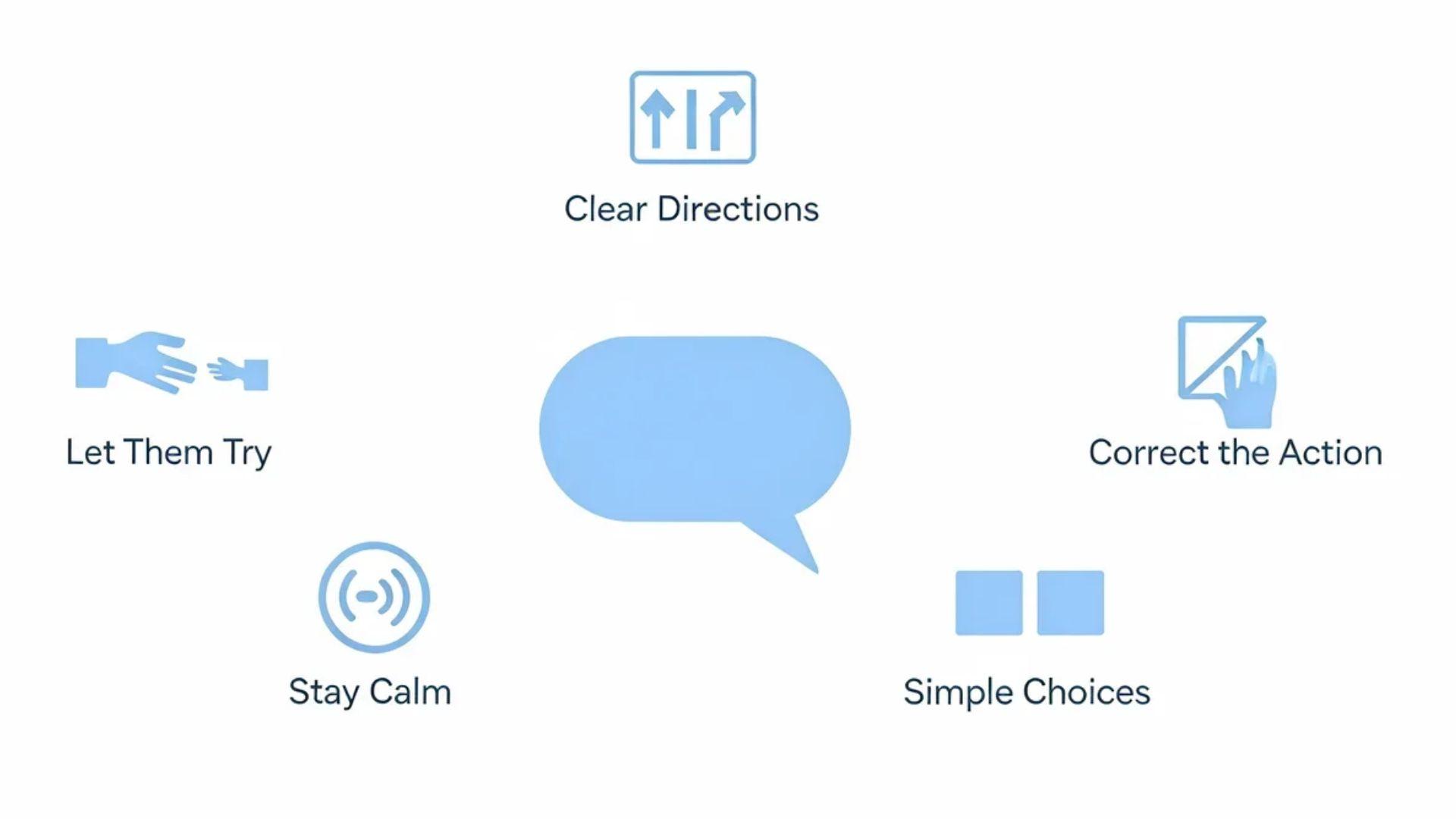
How you talk to your toddler during the hard moments shapes how they behave the next time. These five habits are simple to start using today and make the biggest difference at home.
Tell Them What to Do Instead
Telling your toddler what to do usually works better than telling them what not to do, since a positive instruction tells them exactly which action to take.
If they are running inside, say "walking feet please" instead of "don't run."
A clear, positive direction gets through faster and leads to less pushback, mainly because it gives your toddler something to actually act on instead of just something to stop.
Correct the Action, Not the Child
Point out what they did wrong without labeling who they are, so the lesson lands without hurting how they see themselves. Say "the stove is hot; it can hurt you" rather than "you're being bad."
This keeps your toddler's confidence intact while still teaching them the lesson they need.
Teach Them the Words to Use
Hand your toddler a simple script when they're grabbing a toy or getting frustrated, like "May I have that, please?" instead of stepping in to fix it for them.
Toddlers act out partly because they don’t have the language yet, so giving them the actual words to use cuts down on the grabbing and hitting over time.
Give Simple Choices
Offer only two or three options at a time, since too many choices at this age usually end in frustration for both of you.
Asking "Do you want the red cup or the blue one?" gives your toddler a sense of control without overwhelming them.
This small shift lets them feel heard while keeping the decision easy enough for them to actually make on their own.
Stay Calm During a Tantrum
Get down to their eye level and acknowledge what they're feeling before trying to fix anything, because toddlers are still developing the self-control skills they need to calm down on their own.
Reasoning with them in that moment rarely works, no matter how calmly you explain it.
Staying calm yourself helps them settle faster than any explanation can, since toddlers often borrow their parent's mood when they can't manage their own.
Let Them Try First
Give your toddler a chance to work through a small problem before stepping in, and step in only when they need help staying safe. This small pause matters more than it seems.
It builds patience and confidence in your child over time, and you'll often find they can do more on their own than you expect once you give them the space to try.
Toddler Safety and Daily Routines
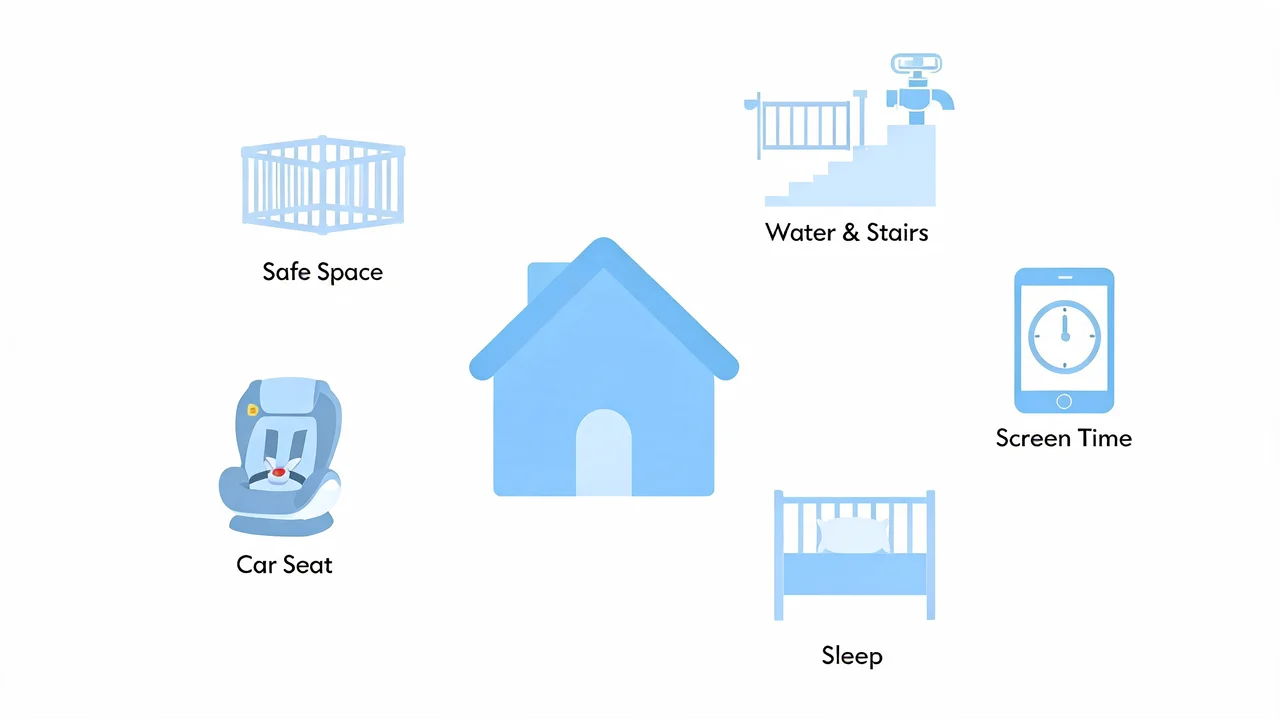
Keeping your toddler safe and on a steady routine does more than prevent accidents.
It gives your child a sense of security that makes the rest of parenting easier. Here's what actually matters at this stage.
Set Up a Safe Space to Explore
Pick one room or area and clear it of anything breakable or sharp, then add safety gates where needed. This gives your toddler a space to explore freely without hearing "no" every few minutes.
A safe space also cuts down on the number of times you have to step in during play, which means fewer power struggles over the day.
Watch for Water, Stairs, and Poisons
Never leave your toddler alone near water, including bathtubs and pools, since drowning is the leading cause of death for children ages 1 to 4, according to the CDC.
Block off stairs with a gate and lock away medicines and cleaning supplies.
Falls are the most common cause of nonfatal injuries at this age, and drowning is the leading cause of death, so these areas deserve the closest attention even when you're busy.
Keep the Car Seat Rear-Facing
Keep your toddler in a rear-facing car seat until they reach the top height or weight limit set by the seat's manufacturer, as recommended by the National Highway Traffic Safety Administration.
This single habit offers the strongest crash protection available for toddlers, so it's worth following even if your child asks to face forward sooner.
Aim for 11 to 14 Hours of Sleep
Toddlers ages 1 to 2 need 11 to 14 hours of sleep in 24 hours, including naps, and children ages 3 to 5 need 10 to 13 hours, according to AAP-endorsed guidelines.
Keeping bedtime and nap times consistent helps your toddler fall asleep faster and wake up in a better mood.
If bedtime turns into a nightly negotiation, these tips for toddler bedtime stalling can help.
A well-rested toddler also handles frustration better during the day, so sleep affects far more than just nighttime.
Limit Screen Time Based on Age
The AAP’s long-standing guidance is to avoid screen time for toddlers under 18 months, except for video calls with family.
Between 18 and 24 months, if you introduce screens, choose high-quality programming and watch it together.
For ages 2 to 5, the AAP’s earlier guidance was one hour a day of high-quality programming. Its 2026 update puts less focus on exact minutes and more on what screens crowd out, like sleep, play, and time with you.
Less screen time at this age gives your toddler more room for the hands-on play that actually builds language and motor skills.
Skip the Mealtime Power Struggles
Offer a few healthy options and let your toddler choose what and how much to eat. Picky eating is common at this age since growth slows down, so forcing food usually backfires.
Stick mostly to water and plain milk. If you offer juice, keep it to 4 ounces a day or less and skip other sugary drinks, since sweet drinks fill your toddler up and make them even less interested in actual food.
Staying relaxed about meals, even when they barely touch their plate, keeps mealtimes calmer and helps your toddler build a better relationship with food over time.
What Makes This Stage of Parenting So Challenging
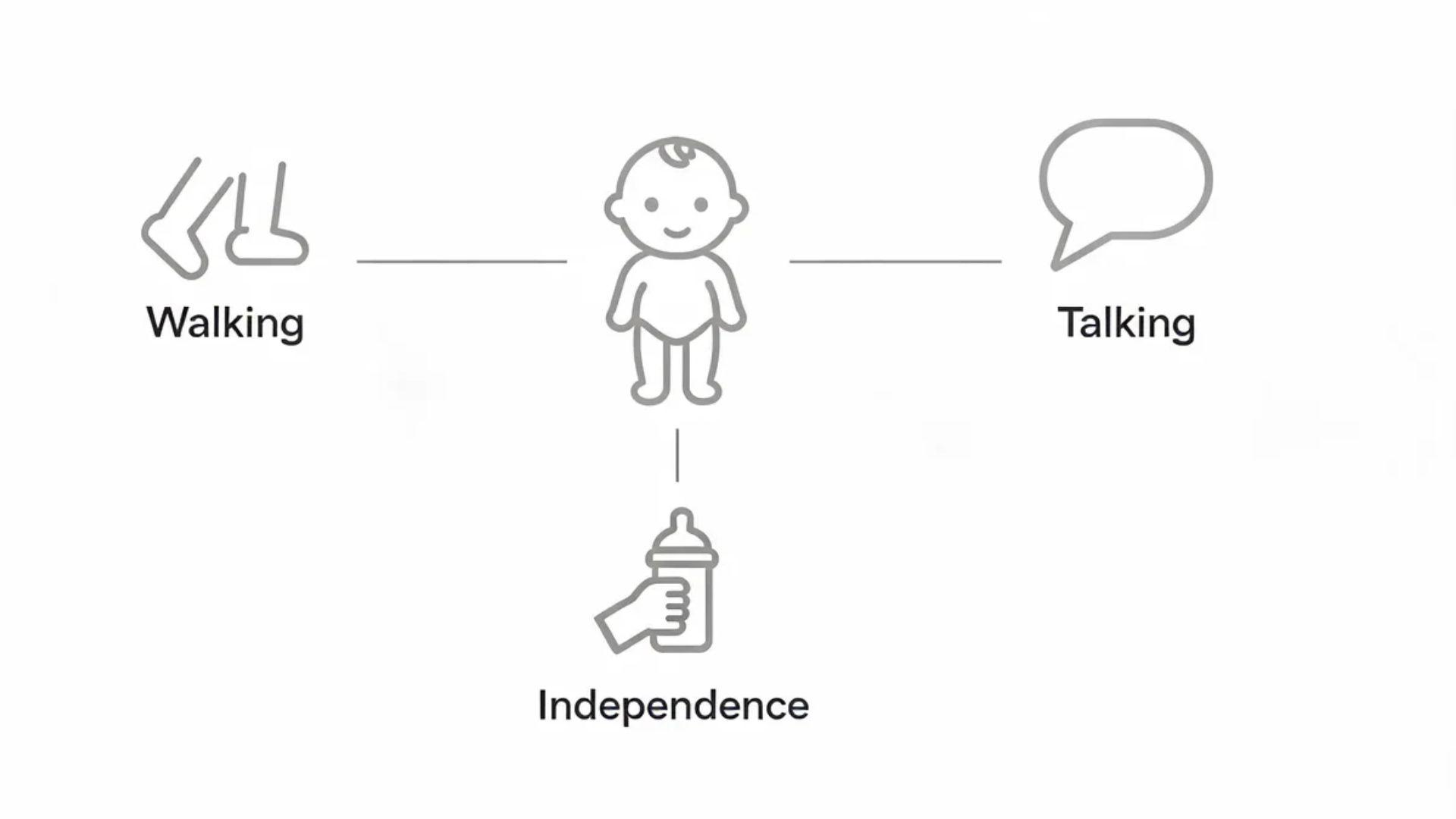
- Developing independence: Toddlers want to make their own choices, but they are still learning how to handle frustration when things do not go their way.
- Emotional outbursts: Their emotions often become overwhelming because they cannot yet express their feelings clearly or manage them independently.
- Rapid development: Learning to walk, talk, and explore brings major changes that can make everyday activities challenging.
- Limited communication: Toddlers often struggle to explain what they need, which can lead to frustration and frequent meltdowns.
- Growing safety risks: Increased mobility and curiosity mean parents must constantly supervise them and create a safe environment.
The Bottom Line
None of this has to feel complicated once you break it down.
The best tips for parenting a toddler come down to two things: how you talk to your child and how you keep their world safe and steady.
Redirecting instead of punishing, offering small choices, and staying calm during a meltdown all help your toddler feel understood.
At the same time, a safe space, consistent sleep, and limited screen time give them the stability they need to grow.
You don’t need to get every moment right. You just need a few habits that work, and now you have them.
Try one this week and see what changes. Got a tip that’s worked for your family? Drop it in the comments.
Frequently Asked Questions
What is the 3-3-3 rule for toddlers?
It’s a sensory-grounding technique where you name 3 things you see, 3 sounds you hear, and move 3 body parts to calm an overwhelmed child.
What Is the Hardest Age for a Toddler?
Ages 2–3 are often the hardest because toddlers seek independence, test boundaries, and struggle to manage big emotions.
Is a 4-Year-Old Considered a Toddler?
No, a 4-year-old is generally considered a preschooler rather than a toddler, as toddlerhood typically ends around age 3 when children become more independent and develop stronger communication skills.