Parenting strategies are the everyday decisions that shape how your child learns to behave, feel, and trust you, whether that means staying calm through a meltdown or holding a boundary without losing your temper.
Parents already have good instincts, but instincts alone can only carry you so far when the same approach stops working overnight.
In my experience working with parents through everyday challenges, I have found that the families who struggle least are not the ones with perfect routines, but the ones who know which strategy fits which moment.
Below are seven strategies that hold up when real life gets involved and give you a clear starting point for how to be a good parent, even on the harder days.
What Parenting Strategies Actually Work
Parenting strategies only work when they fit into real life, not just good intentions, since a technique that sounds great on paper can fall apart the moment a tantrum breaks out in the store or a sibling argument flares up before bedtime.
What separates the strategies that work from the ones that fade after a week comes down to consistency and a willingness to be patient with yourself while you figure out what your child responds to.
None of this asks for perfection, just a little more intention in the moments that usually catch you off guard, since that is where most parenting actually happens.
Understanding The Main Parenting Styles
Most parenting advice traces back to four styles. Psychologist Diana Baumrind identified three, and Eleanor Maccoby and John Martin later added a fourth.
Knowing where you land can explain how your child responds to you day to day.
- Authoritative Parenting: Parents set clear rules and explain the reasons behind them, so warmth and structure work together. Kids understand the "why" behind a rule, which keeps their behavior steady even when no one is watching.
- Permissive Parenting: Parents offer warmth and freedom but rarely enforce rules, so children are unsure where the limits are. This can make self-regulation harder later, especially in settings that demand more discipline.
- Uninvolved Parenting: Parents are low on both demands and responsiveness. They may meet only basic needs and stay emotionally distant, offering little guidance or engagement. Children often don’t feel seen or supported, which can affect their confidence and sense of security.
7 Effective Parenting Strategies That Actually Work
These seven strategies work because they focus on everyday moments instead of big, dramatic fixes, and small, consistent choices tend to add up faster than most parents expect.
1. Set Boundaries That Still Allow Independence
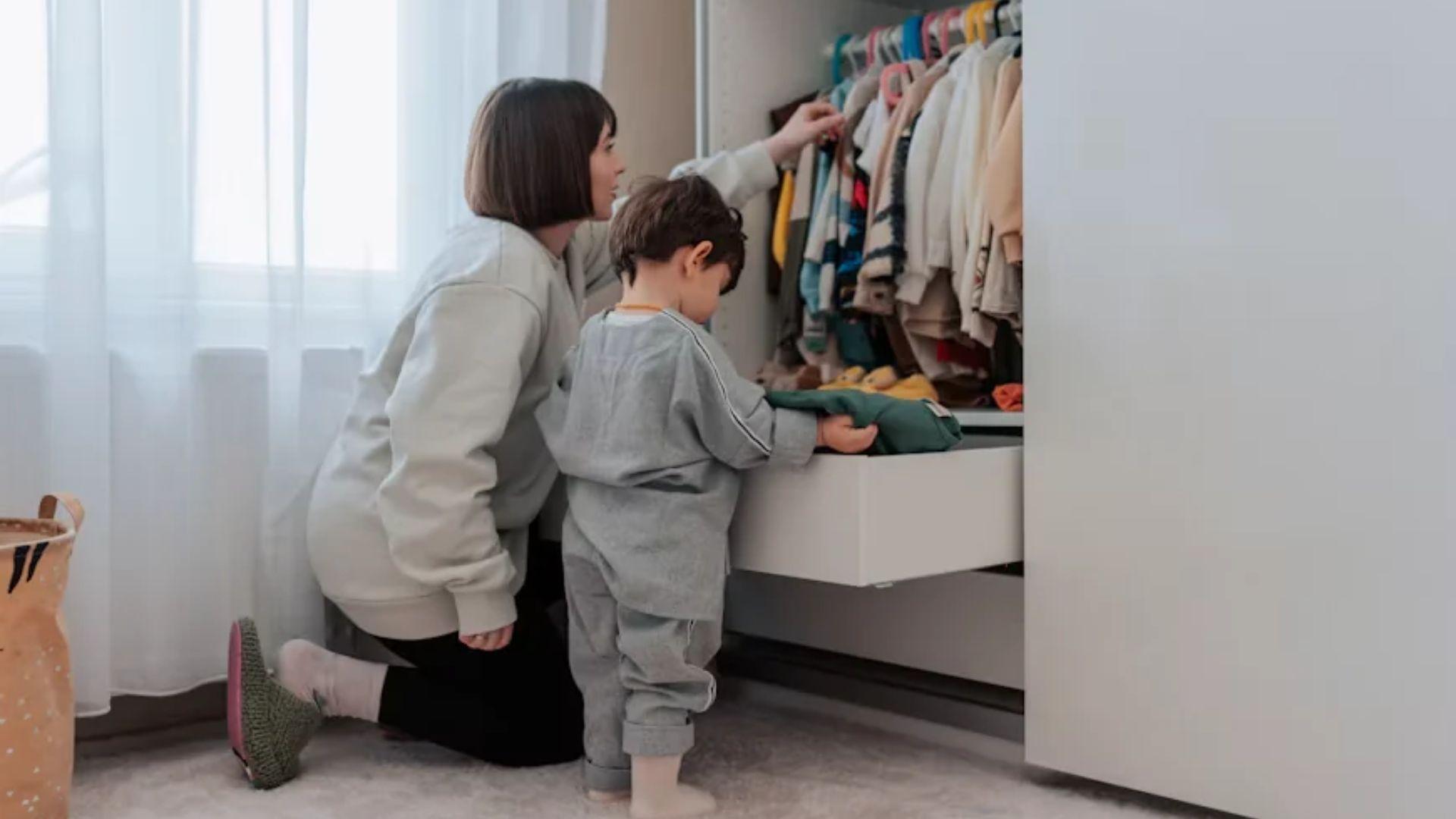
A good boundary protects your child without controlling every choice they make.
Decide on a few non-negotiables, like safety and respect, and let smaller decisions, like what to wear or how to spend free time, stay in your child’s hands.
This teaches them that rules exist for a reason, not just because a parent said so.
Children raised with this balance tend to follow household rules more willingly, since they also get practice making decisions on their own within safe limits you’ve already set.
2. Catch Your Kid Being Good To Build Self-Esteem
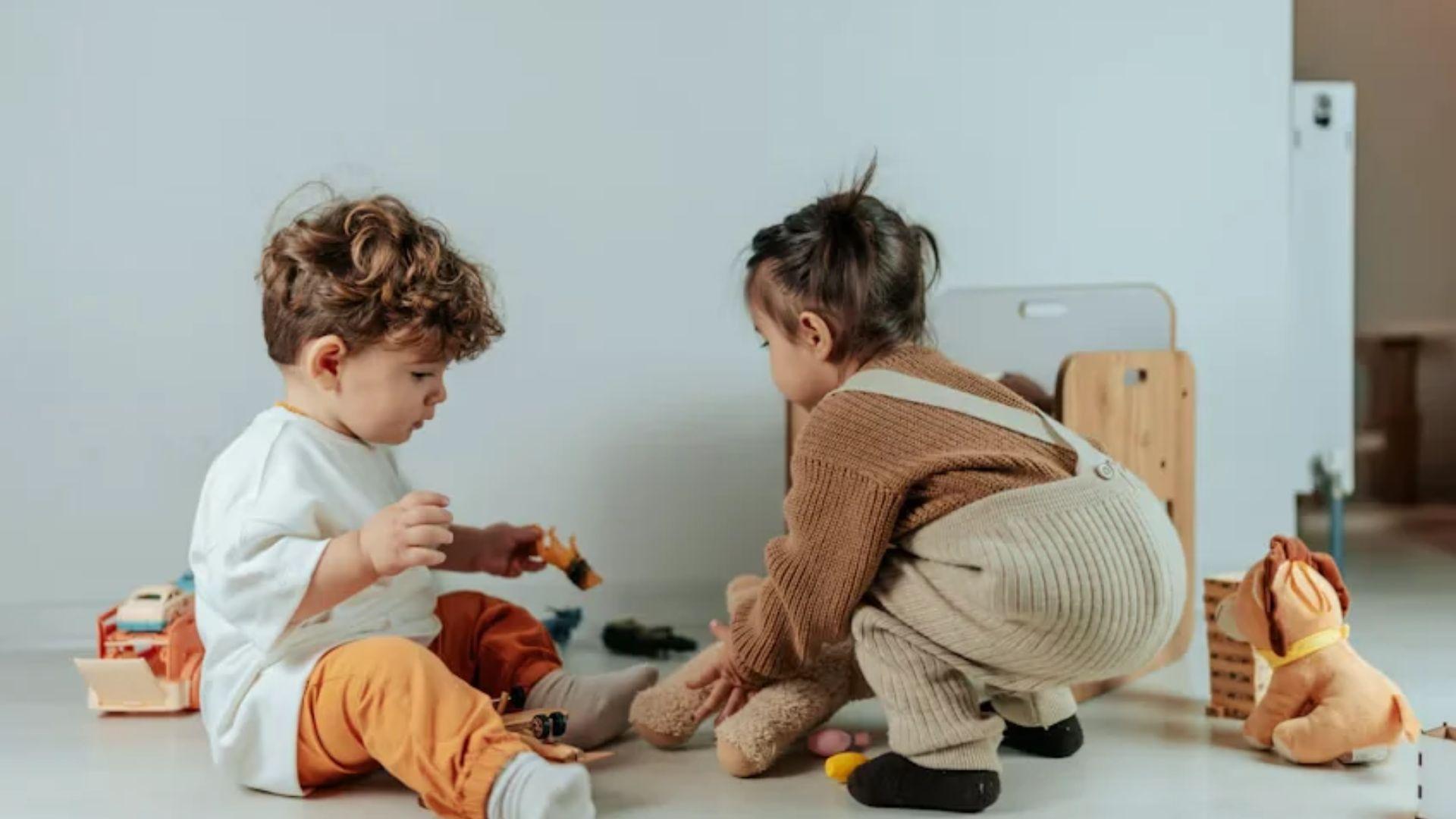
Most parents notice bad behavior instantly but miss the good moments happening quietly throughout the day.
Point out specific actions, like sharing a toy or finishing homework without being asked, rather than general praise like “good job.”
This reinforces positive behavior and gives your child a clearer picture of what you want to see.
Over time, this habit helps a child feel noticed and valued, which can support their self-esteem and make them more likely to repeat those same good choices.
3. Use Active Listening With Your Child

Active listening means putting down your phone, getting on your child’s level, and repeating back what they said before you respond.
This small shift shows your child that their feelings matter, even if you don’t agree with how they’re reacting.
Kids who feel heard are more likely to open up during difficult conversations instead of shutting down or hiding how they feel.
Practicing this regularly, even during small daily moments, builds the kind of trust that makes bigger conversations easier later.
4. Praise Effort And Strategy, Not Just Results
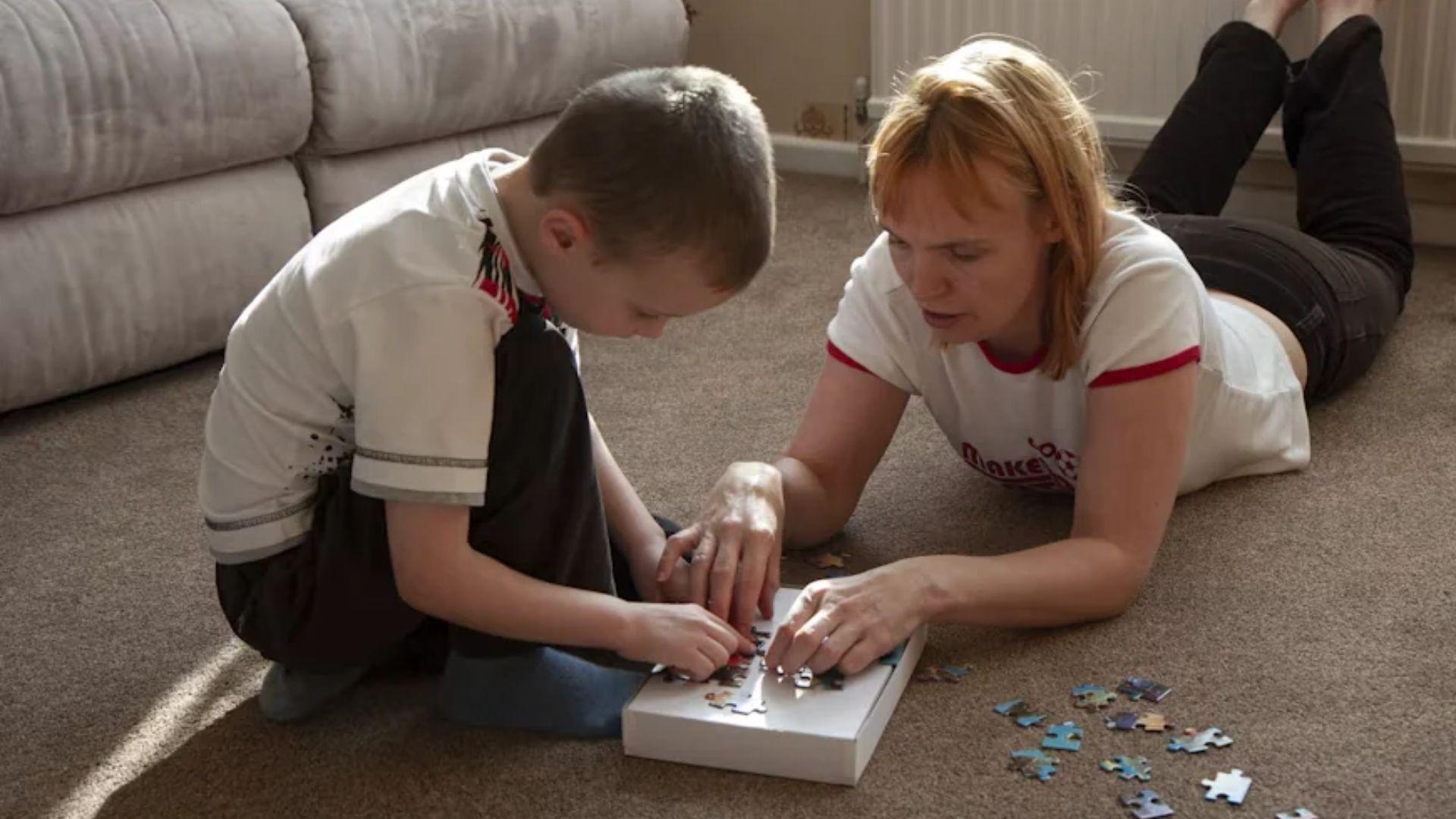
Praising only outcomes, like good grades or winning a game, can teach kids to chase approval instead of growth.
Focus your praise on the process instead, like how hard your child worked on a tricky puzzle, a strategy they tried, or how they kept going after making a mistake.
This helps build motivation that comes from within your child, rather than motivation that depends on constant outside validation.
Over time, children praised this way tend to take on new challenges more willingly and may feel less afraid of failing.
5. Model Calm Behavior When You’re Upset

Children learn how to handle frustration by watching how their parents handle it first. If you raise your voice during conflict, your child is more likely to do the same the next time they’re upset.
Take a breath, lower your tone, and name your own feelings out loud so your child sees what calm regulation actually looks like.
This doesn’t mean hiding your emotions; it means showing your child a steady way to work through them instead of reacting on impulse.
6. Break Big Expectations Into Small Steps
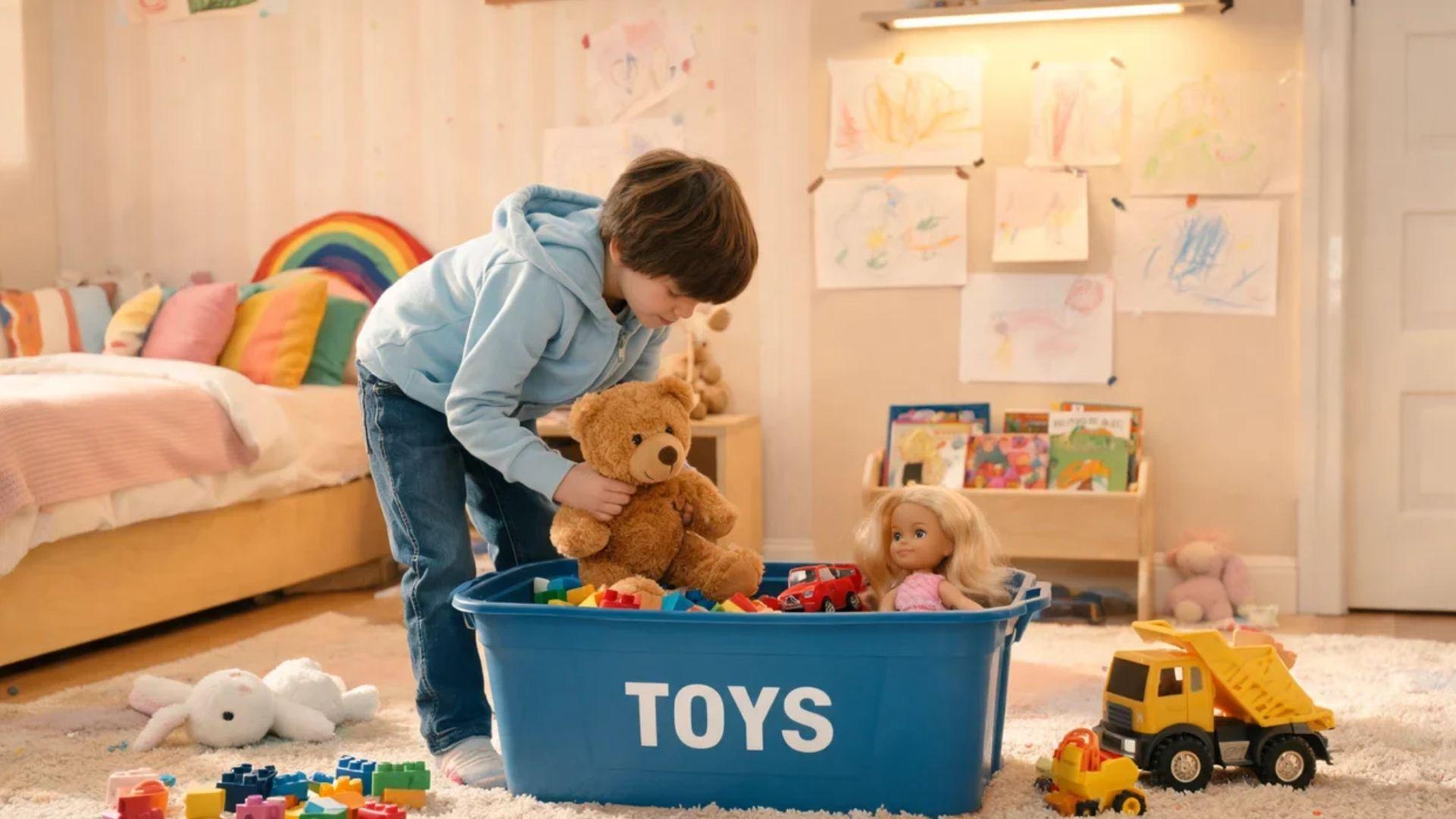
Asking a young child to “clean your room” often leads to overwhelm, since the task feels too big to start.
This is one of the most common tips for parenting a toddler, since breaking tasks down works especially well at an age when big instructions are hard to process all at once.
This makes the goal feel achievable and gives your child a clear starting point.
This approach works for almost any expectation, from chores to homework, and it reduces the power struggles that usually come from vague instructions your child doesn’t know how to begin.
7. Make One-On-One Time A Priority
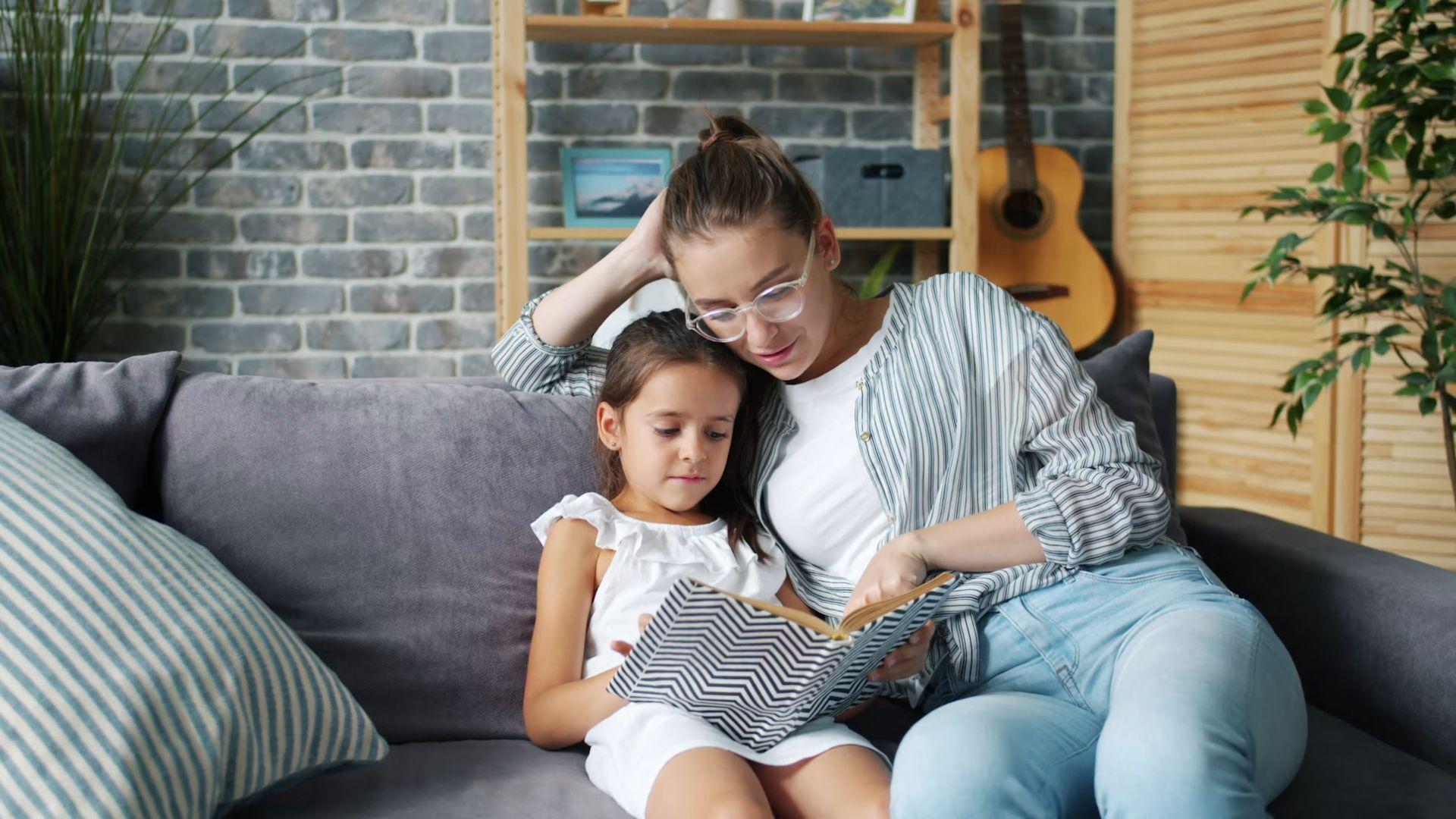
A short stretch of focused, undistracted time with your child, even fifteen minutes, can help them feel more connected to you.
This doesn’t require elaborate outings, since reading together or talking during a car ride counts just as much as a planned activity.
What matters most is consistency, not the size of the gesture.
Children who get regular one-on-one time tend to trust their parents more openly, which makes every other strategy on this list easier to apply in daily life.
How Your Home Shapes Your Child’s Behavior
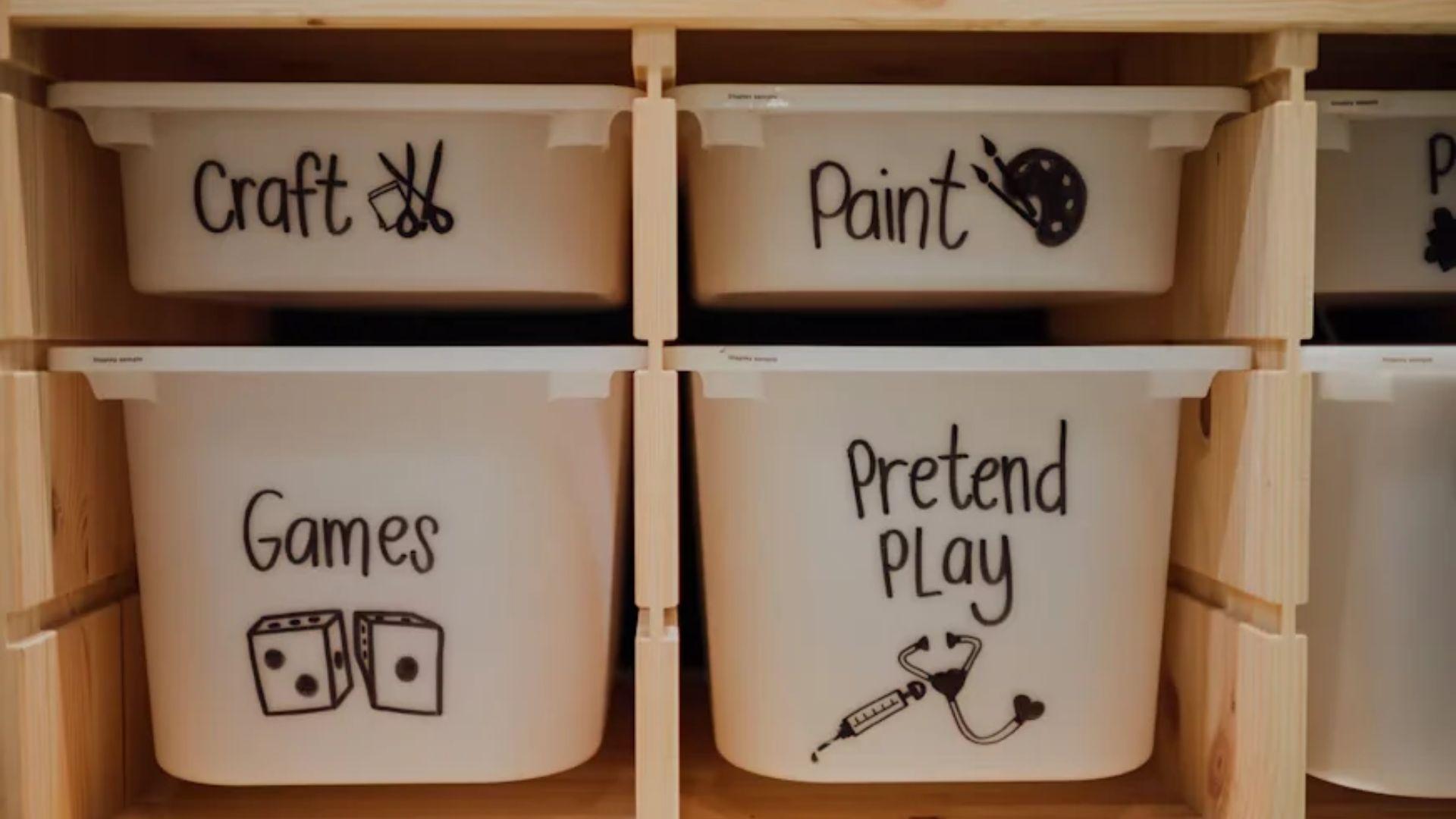
A child's surroundings play a bigger role in behavior than most parents expect, and a few small changes at home can make good choices come more naturally.
Keeping a predictable daily rhythm, like consistent meal and bedtime routines, gives children a sense of safety that reduces acting out in the first place.
A calm, organized space with clear expectations for shared areas, like toys having a place to go, also helps kids regulate themselves without needing constant reminders from you.
When the environment already supports good behavior, you end up correcting less and connecting more throughout the day.
Tips For Parenting A Difficult Child
Some children need more patience and a different approach than others, and these tips focus on understanding what’s driving the behavior instead of just reacting to it.
If the behavior feels bigger than ordinary defiance, it also helps to know when to see a therapist for your child.
- Look for what’s behind the behavior, since acting out is often a sign of a need that isn’t being met, like hunger, tiredness, or feeling unheard
- Stay consistent across both caregivers, because mixed responses to the same behavior confuse a child and often make difficult behavior worse over time
- Keep your own reaction calm, since a difficult moment tends to escalate further when you respond with frustration instead of steadiness
- Offer limited, specific choices instead of open-ended ones, since this gives your child a sense of control without losing structure
- Address the behavior after everyone has calmed down, since conversations during a meltdown rarely lead anywhere productive for either of you
Final Takeaway
Parenting strategies aren't about getting everything perfect.
They're about knowing which approach fits the moment in front of you, whether that's holding a boundary, staying calm, or just sitting with your child for a few quiet minutes.
The four parenting styles show how different approaches shape a child over time, and the techniques in this guide give you a practical way to put that understanding into action.
You don't need to use all seven strategies at once. Pick the one that feels most useful for your family right now and build from there.
If you're still working through tougher behavior days, check out our guide on handling difficult parenting moments for more support.
Frequently Asked Questions
What Is The 7-7-7 Rule For Parenting?
The 7-7-7 rule for parenting most commonly refers to a daily habit of spending 21 minutes of undivided, screen-free attention with your child, broken into three 7-minute blocks
How Do I Fix Parental Burnout?
Parental burnout gets better with small breaks, support from others, and lowering expectations of yourself instead of trying to do everything perfectly.
Are There More Than Four Parenting Styles?
Researchers focus on authoritative, authoritarian, permissive, and uninvolved parenting. You’ll also see labels like attachment, gentle, free-range, and helicopter parenting. These are better understood as approaches or tendencies than formal styles, and many overlap with the main four.