No one tells you just how much pressure comes with raising a child, the kind that follows you from the moment you wake up to the moment you finally sit down at night.
One day you're proud of how patient you were; the next, you're replaying a moment you wish you'd handled differently.
But here's what I've learned: Good parenting was never about being perfect.
It's built through small, consistent choices, showing up when it's hard, listening before reacting, and setting limits with love instead of frustration.
You don't need every answer, and you don't need to parent like anyone else. You just need a few habits that genuinely work, and that's exactly what I'll walk you through here.
What Does It Mean to Be a Good Parent?
Being a good parent means loving your child unconditionally while still holding firm boundaries, since neither works alone.
Patience and emotional awareness help you notice what your child needs before you react. Empathy and active listening show them that their feelings matter, even when you disagree.
Consistency and accountability build trust, since your child learns to count on what you say and do. Warmth and unconditional love give them a safe place to return to.
Respecting their growing independence lets them practice making choices while you’re still close enough to guide them.
No parent gets every part of this right daily, and that’s fine. Good parenting is a direction, not a finish line.
If you’re looking for ways to put these principles into practice, these parenting strategies that actually work can help you apply them consistently.
How to Be a Good Parent: 10 Practical Tips
These ten habits turn everything above into something you can practice day to day. None of them require perfection, just consistency.
1. Show Love and Affection Every Day

Kids need to hear and feel that they're loved, not just assume it. A hug before school or a genuine I love you tells your child they matter.
So do a few minutes of real eye contact each day. This isn't about grand gestures.
Small, repeated moments of affection build a sense of security that shapes how your child sees relationships later in life. Make it a daily habit, not something reserved for good days only.
2. Listen Before Reacting

When your child comes to you upset or excited, resist the urge to jump straight to advice or discipline.
Listen first. Let them finish what they're saying without interrupting, and reflect what you heard before responding.
This simple pause shows your child that their voice matters, even when you eventually have to correct them.
Reacting too fast can make kids feel unheard, which often makes them less willing to open up.
3. Set Clear Boundaries and Fair Consequences
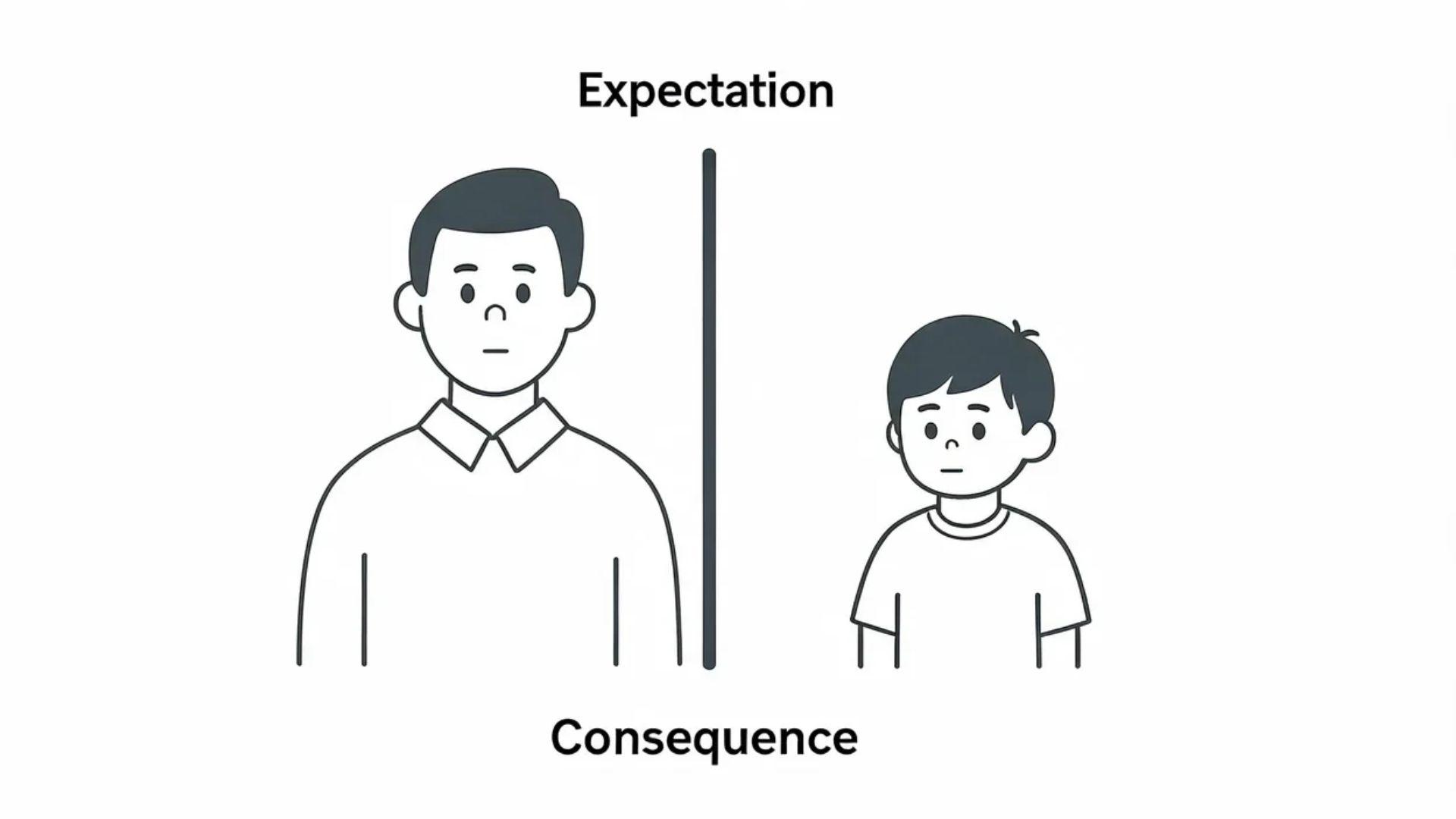
Children feel safer when they know what's expected of them and what happens if they cross a line.
Set rules that make sense for their age, explain the reason behind them, and stay consistent once you've set them.
Consequences should fit the behavior and focus on teaching, not punishing out of anger.
When boundaries are predictable, kids test them less and trust you more.
If bedtime is where the pushback shows up most, these tips on toddler stalling at bedtime can help you hold the line calmly.
4. Praise Effort and Positive Behavior
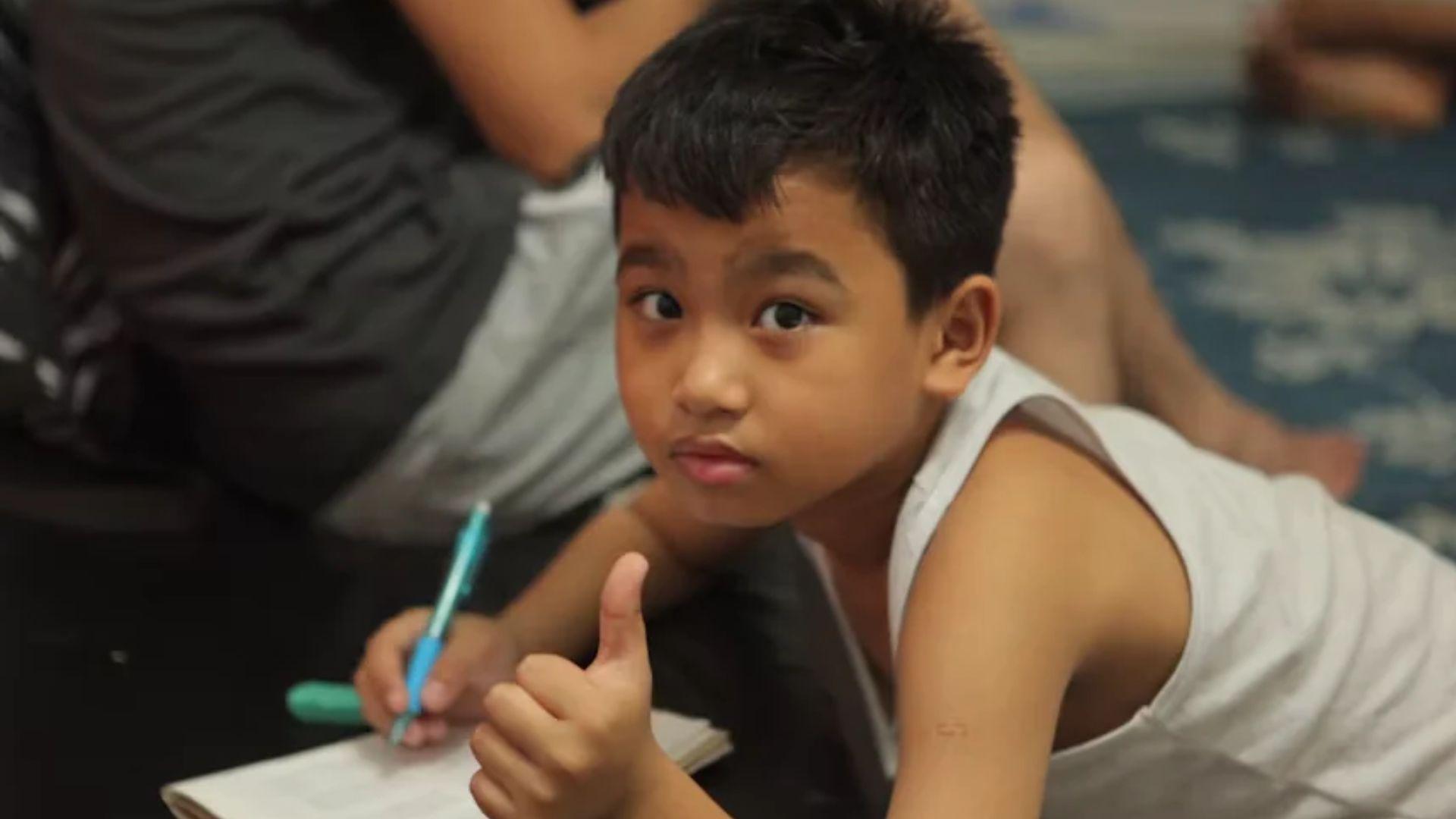
Notice when your child tries hard, shares something, or handles a tough moment well, and say so out loud. Praise the effort and the process, not just the outcome.
That way, your child learns that trying matters even when things don't go perfectly. Avoid empty praise for everything they do, since it loses meaning fast.
Specific, honest praise builds real confidence instead of a need for constant approval.
5. Spend Meaningful Time Together
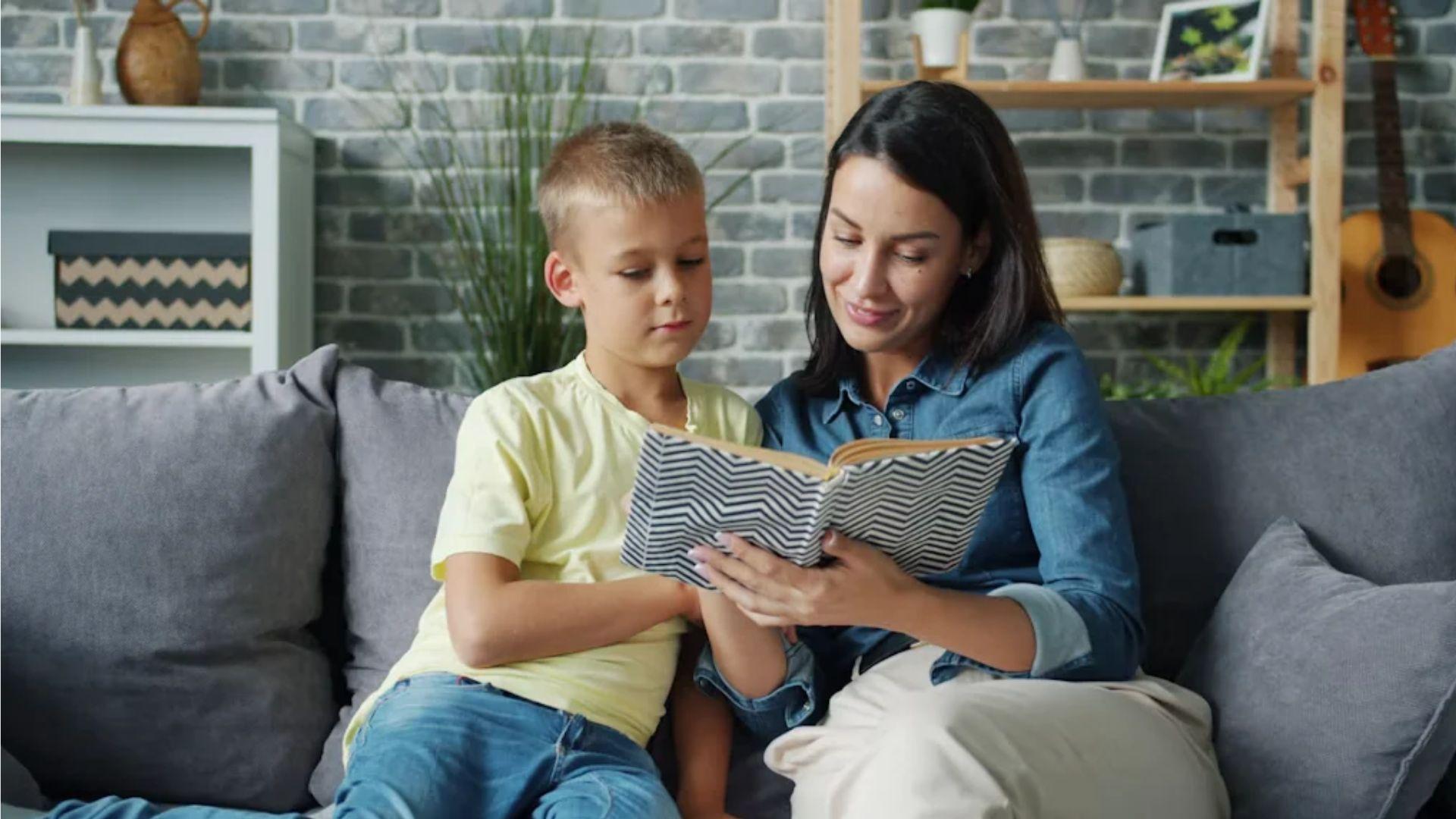
Quality time doesn't need to be elaborate. Reading together before bed, cooking a meal side by side, or just talking during a car ride all count.
What matters is your full attention, not the activity itself. Put your phone away and let your child lead the conversation sometimes.
Regular one-on-one time, even just fifteen minutes a day, tells your child they’re a priority in your life. Simple hand games for kids are an easy, screen-free way to fill those minutes.
6. Model the Behavior You Want to See
Children learn a great deal by watching you. If you want your child to stay calm, speak kindly, or handle disagreements well, you need to show them first.
Your reaction to traffic, a bad day, or a disagreement with your partner teaches more than any lecture.
Kids are always watching, so your everyday behavior becomes their first lesson in how to act.
7. Encourage Independence and Problem-Solving
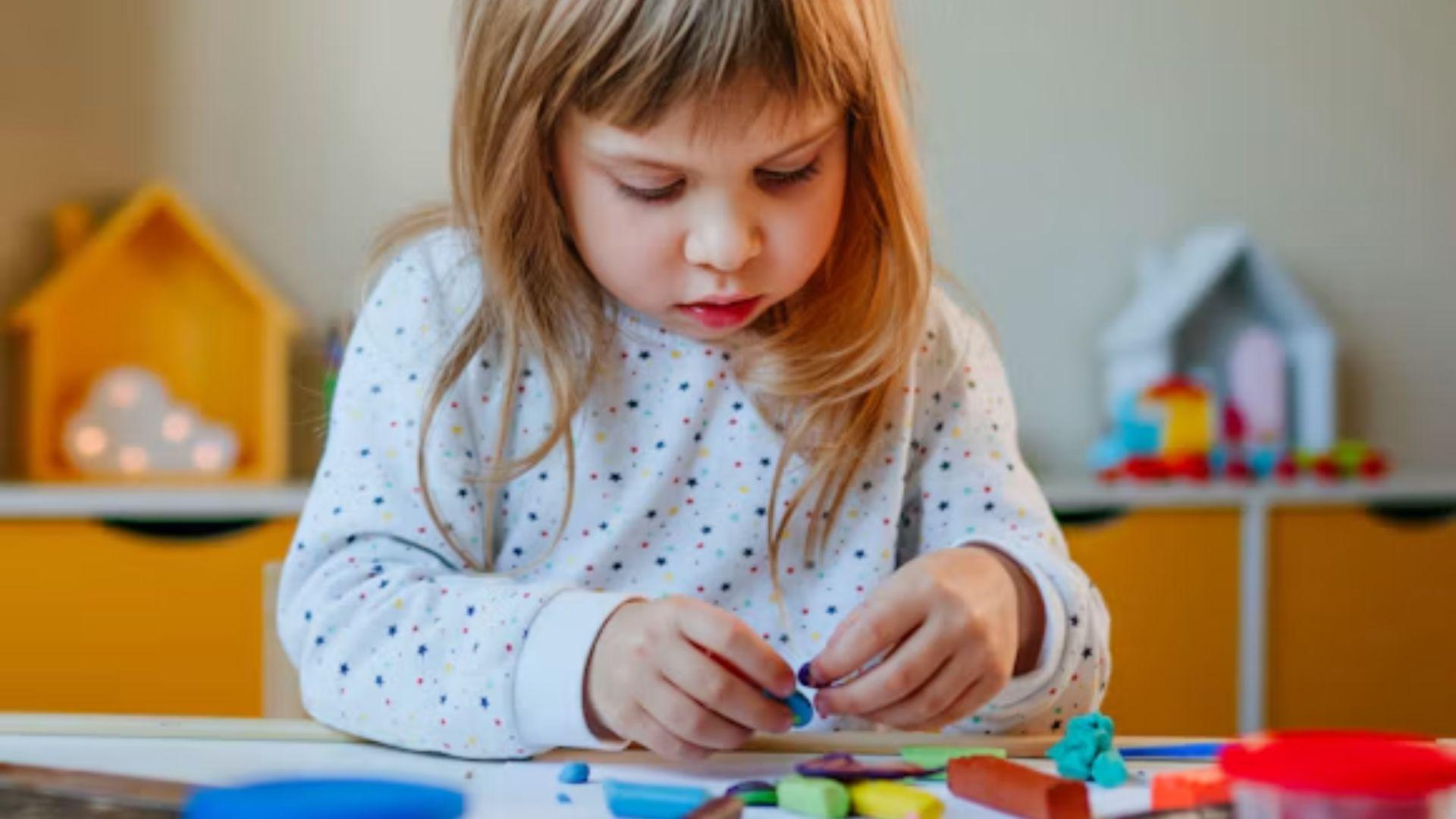
Let your child try things on their own before you step in to fix them. Age-appropriate tasks like picking out clothes or solving a small disagreement with a friend build confidence.
Figuring out a tricky puzzle on their own builds critical thinking too. Resist the urge to rescue them from every struggle.
Guide them with questions instead of answers, and let them learn from small failures while the stakes are still low.
8. Adjust Your Approach as Your Child Grows
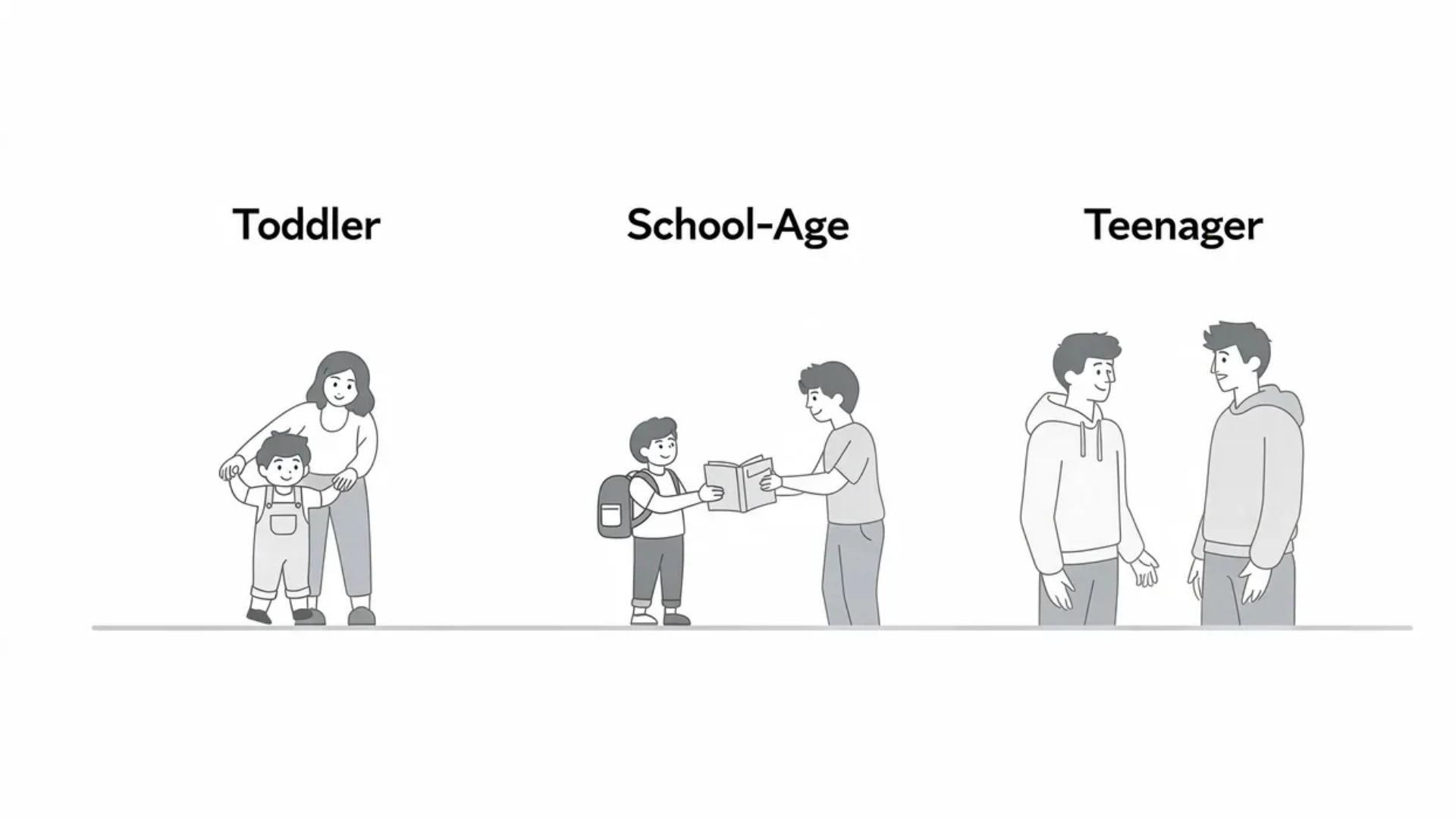
What works for a toddler won't work for a teenager. Your parenting style has to change as your child does. Younger kids need more hands-on guidance and simple rules.
Older kids need more autonomy and conversations that treat them as capable. Stay flexible, and keep checking whether your approach still fits who your child is becoming.
Our guide to effective parenting strategies breaks down which approach fits which moment.
9. Admit Mistakes and Apologize Sincerely
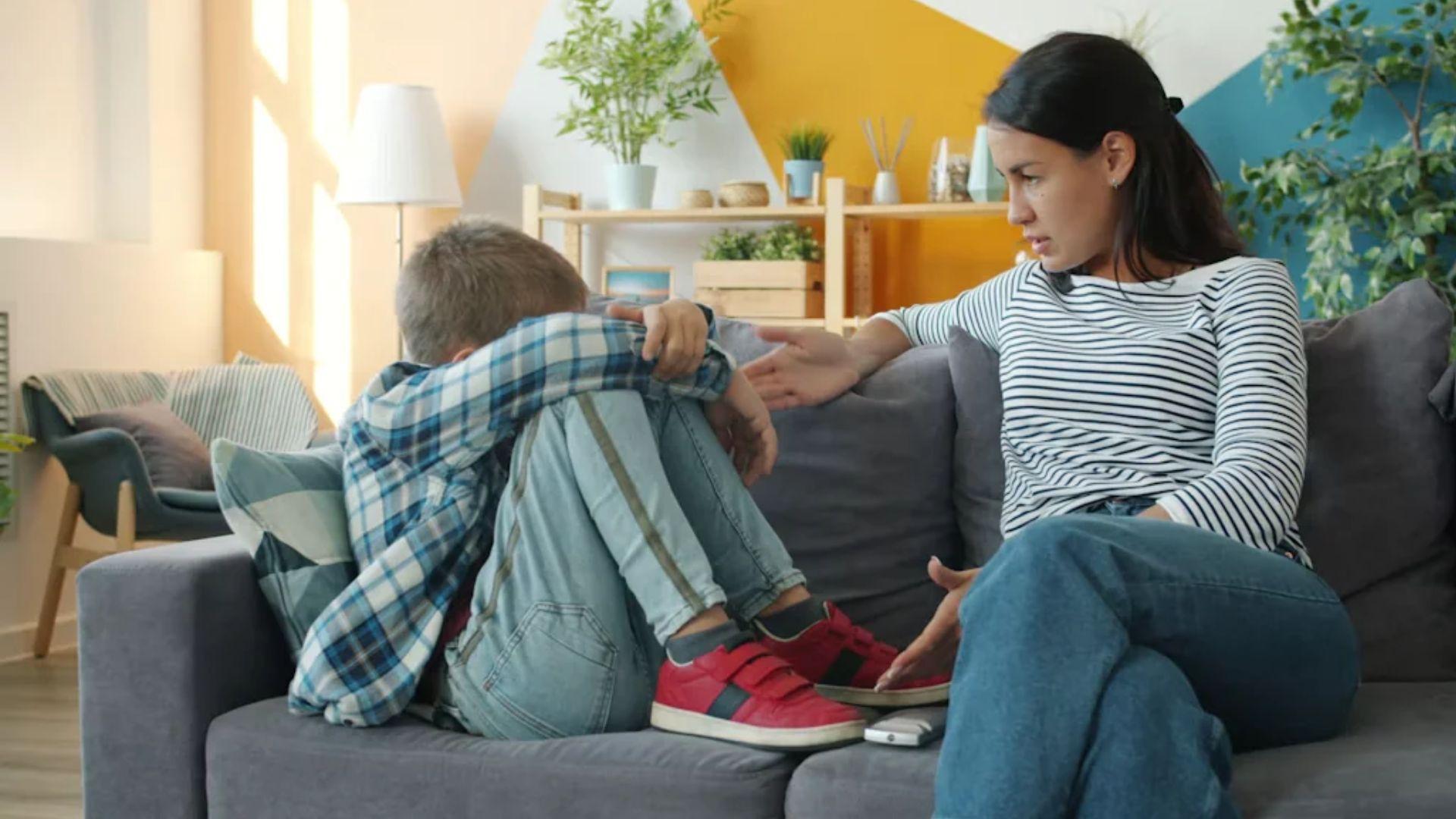
No parent gets it right every time, and pretending otherwise teaches kids the wrong lesson. When you overreact, break a promise, or make an unfair call, own it.
A simple, sincere apology shows your child that mistakes are normal and fixable. This models accountability far better than any lecture about honesty.
It also strengthens trust, since kids learn that you'll repair things when you get them wrong.
10. Manage Stress and Take Care of Yourself

You can't pour from an empty cup, and kids feel your stress even when you try to hide it.
Sleep, exercise, and a few minutes to yourself each day aren't luxuries; they're part of parenting well. Ask for help when you need it, whether from a partner, family, or friends.
Taking care of your own needs isn't selfish. It's what gives you the patience to show up for your child.
Habits to Avoid as a Parent
Steer clear of these habits, since each one can quietly erode the trust you’re working so hard to build.
- Yelling and harsh punishment can increase behavior problems instead of reducing them, and research links frequent harsh verbal discipline to more anxiety and acting out in kids and teens.
- Comparing siblings ties a child's sense of worth to measuring up against someone else, which chips away at their identity.
- Breaking promises, even small ones, slowly convinces your child that your word doesn't mean much.
- Dismissing their feelings as dramatic or unimportant teaches them to hide what they feel instead of working through it.
- Public humiliation, like scolding a child in front of others, replaces the lesson with shame that outlasts the behavior itself.
None of these reactions make you a bad parent. They're usually about being tired, stressed, or caught off guard.
Recognizing them is the first step to replacing them with responses that build trust instead of breaking it down.
How Do You Know If You're Becoming a Better Parent?

You'll know you're growing as a parent when the small, everyday moments start to shift.
I noticed it myself when my conversations with my kids got easier, less about correcting them and more about actually understanding them.
Your boundaries start holding without constant repeating, because your child already knows what to expect and doesn't bother testing it every time.
You catch yourself apologizing after a bad reaction instead of brushing it off or justifying it. Conflicts still happen, but they get resolved faster, and the tension doesn't linger the way it used to.
Your child starts coming to you with small things, not just big problems, which usually means they trust you more.
Progress isn't a dramatic change. It's these quiet repairs, repeated often enough, that tell you something is working.
The Bottom Line
Learning how to be a good parent isn't about chasing perfection. It's about showing up consistently, even on the days you get it wrong.
The small habits matter most: Listening before reacting, keeping your word, and repairing things when you lose your cool.
Your child will likely forget most of your slip-ups, but they’ll often remember whether you came back and tried again
Start with just one tip from this guide today, whether that's listening a little longer or setting one clear boundary.
Small changes add up faster than you'd expect.
If you found this helpful, drop a comment with what's working for you, or check out our guide on handling toddler tantrums next.
Frequently Asked Questions
What is the 7-7-7 rule for parents?
The 7-7-7 rule is a relationship guideline for couples: a date night every 7 days, a weekend getaway every 7 weeks, and a longer vacation together every 7 months. It helps partners stay connected so they can parent as a team.
Is it normal to not want to be a mom anymore?
Yes, feeling overwhelmed or checked out is a common sign of burnout, not a reflection of how much you love your child; it usually means you need rest and support, not a label.
What are 5 qualities of a good parent?
Patience, consistency, empathy, unconditional love, and respect for your child’s growing independence are the core qualities that shape good parenting.